Valley to Table

Valley to Table

A Night for Slow Food in the Tetons

A Night for Slow Food in the Tetons

Every fall, a few hundred people sit down at long tables in the Tetons and eat a meal that almost grew itself into existence. No caterer. No walk-in cooler stocked from three states away. Just a valley's worth of farmers, ranchers, and volunteers, and a menu built entirely around one question: what actually comes from here?

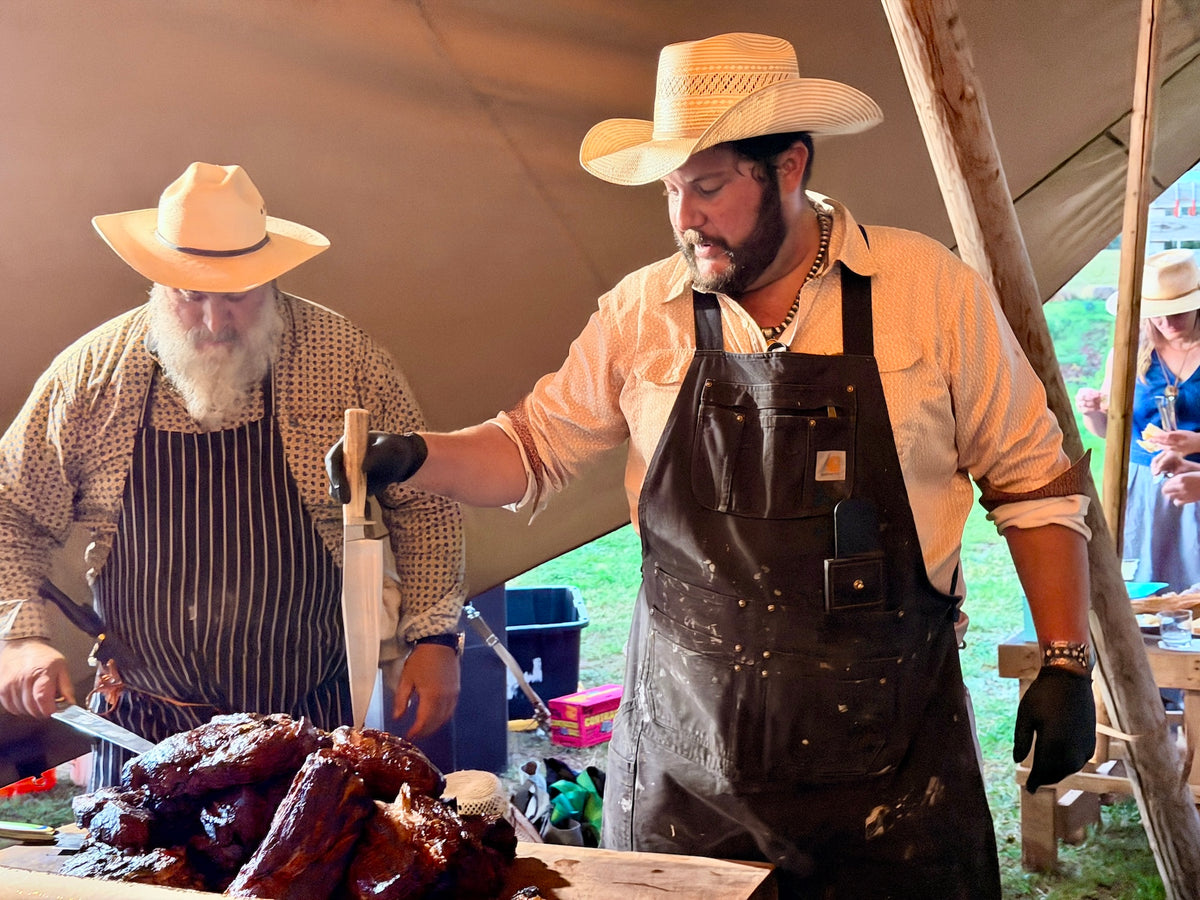
This year, our founder Corey Milligan and Chef Gabriel "Gator" Guilbeau — the same chef we've spent years building knives with — stood up in front of that room and cooked for it. The dinner benefits Slow Food in the Tetons, a local nonprofit built around a simple, stubborn idea: that food grown close to home, raised with care, and shared honestly with the people who eat it is worth protecting. Good, clean, and fair food, as they put it.

Watch Corey's Speech

"In the High 90s Percent"

Corey opened the night with the number the whole dinner is built around: this year, somewhere in the high 90th percentile of everything on the table was grown or raised right here in the Tetons.

Not everything made the cut. The salt came from Utah instead of the valley. The olive oil, as always, got a pass — there's no getting around geography on that one. And the sausage casings, which in a perfect year come from a hog raised and processed a few miles away, didn't happen this time. Small infractions, as Corey called them, including one from his own son, who made dessert and didn't exactly follow his father's sourcing rules.

Then there was butter. Teton Valley and Star Valley were once dairy country — the primary agriculture for both, long before either was known for anything else. That heritage has mostly gone quiet, save for a few people working to bring it back. This year, the gap got closed the old way: a friend named Kendall supplied the cream, and Corey's mother spent the entire day turning it into butter, batch by batch, for a room full of people she'd never met.

That's the whole philosophy in one dish. Not perfect. Not always convenient. Just people choosing to do it the slower, harder, more honest way, because the result is worth it.

Why It's Worth It

Corey gave three reasons that night, and none of them were sentimental.

It tastes better. The tomatoes on the table were picked that morning. There's no substitute for that, no matter how good the supply chain.

You know where it came from. Who grew it, who raised it, what did or didn't get sprayed on it along the way. That's not a marketing line for a farmer — it's the whole point.

You can feed yourself. A community that still knows how to grow, raise, and cook its own food isn't dependent on anyone else's shelves staying full.

It's worth saying plainly: this was a volunteer effort, start to finish. The food was donated. The labor was donated. The vast majority of every ticket sold went straight to Slow Food in the Tetons — not to a catering line item. That's a room full of people doing the work because they believe in it, not because someone's writing them a check.

We recognized the shape of that instantly. It's the same reason a knife maker in Victor, Idaho spends a full day on a single blade instead of running a line. Some things don't get faster just because faster is available.

None of it happens without Slow Food in the Tetons doing the work behind it year-round — connecting local growers and ranchers to the people who cook for this community, and keeping that "high 90s percent" possible in the first place. If the idea behind this dinner is one you want to see stick around, visit Slow Food in the Tetons to see how to get involved, volunteer, or donate.


The Knives

The Knives

Gator didn't show up to this dinner as a guest chef. He showed up as the guy who's used our knives on every season of Yellowstone, cooking for hundreds of people a day on set — and the guy whose signature knife came out of a farm dinner almost exactly like this one, at Corey's own house.

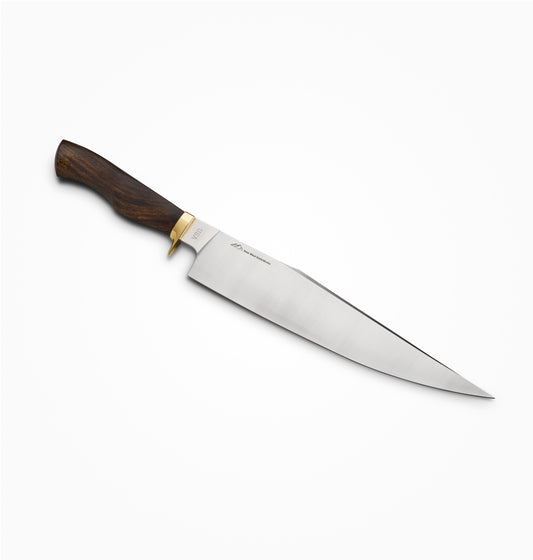
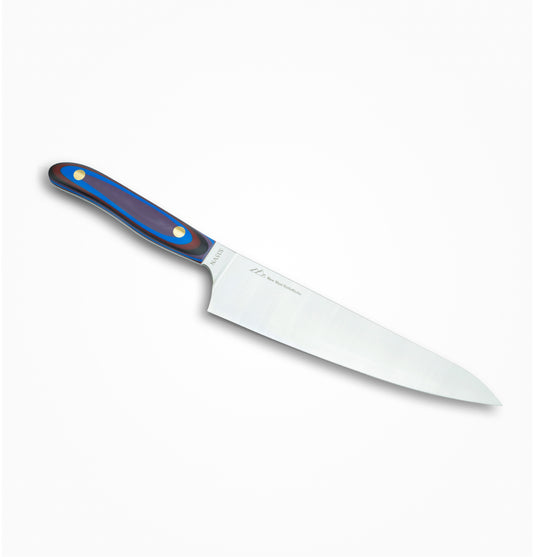
That knife is the Yellowstone BBQ, a 10" Bowie-style blade in CPM S35VN steel with a Desert Ironwood handle, built for the exact kind of cooking this fundraiser is all about — chuckwagon, spike camp, or backyard barbecue, wherever the fire is. Watch the video from the dinner and you'll catch it doing real work: breaking down cuts of meat raised a few miles from the table it landed on.

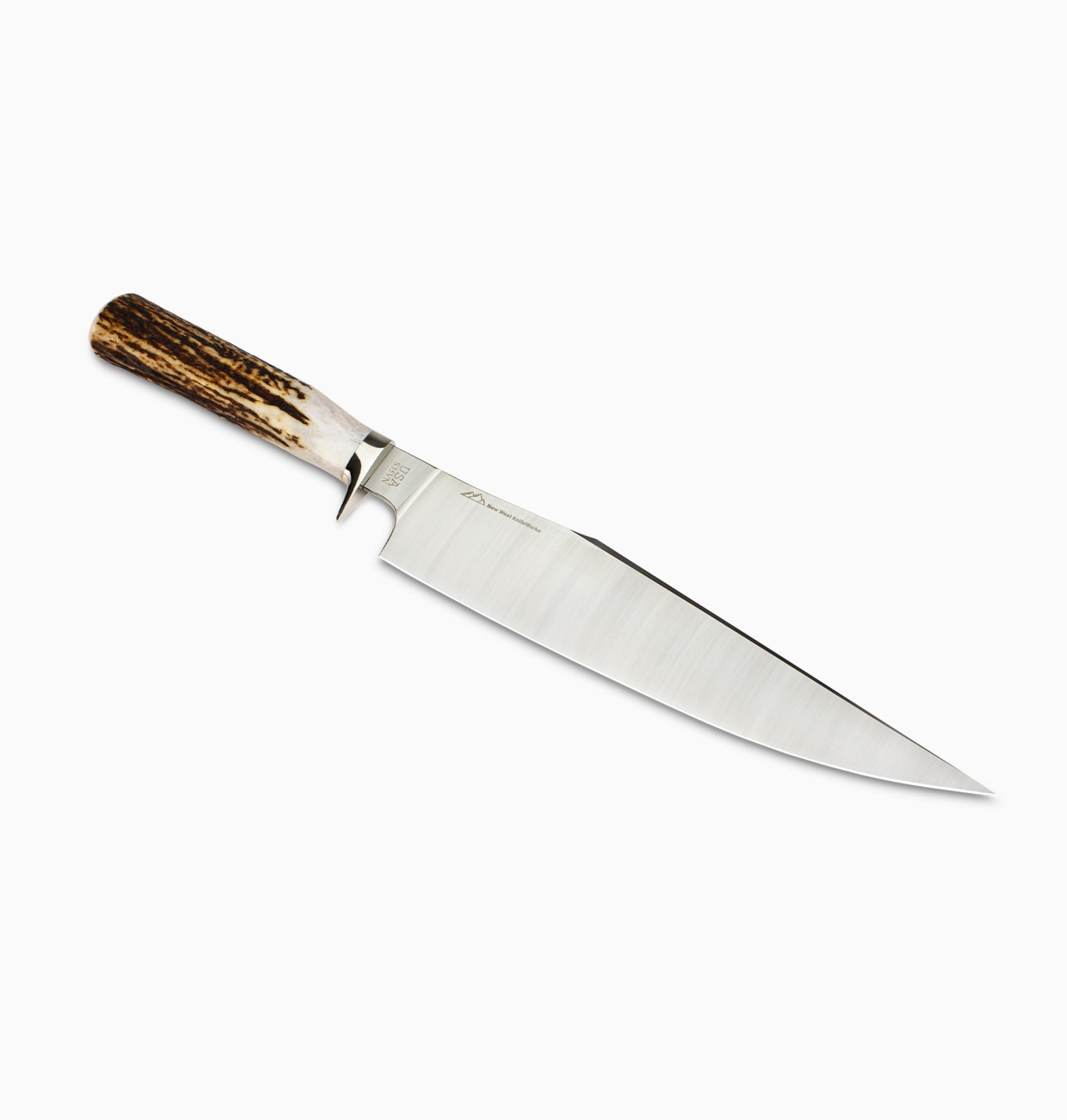
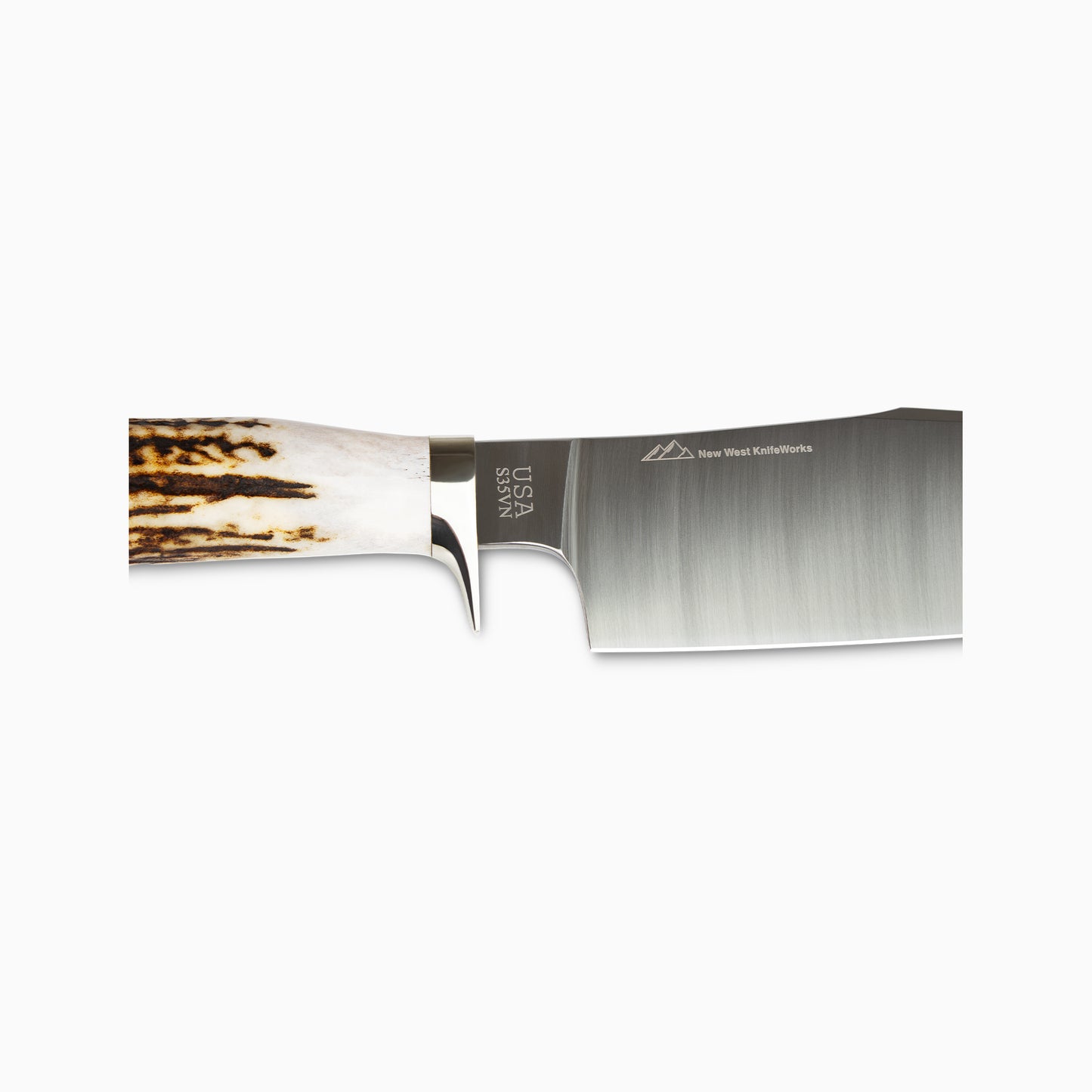
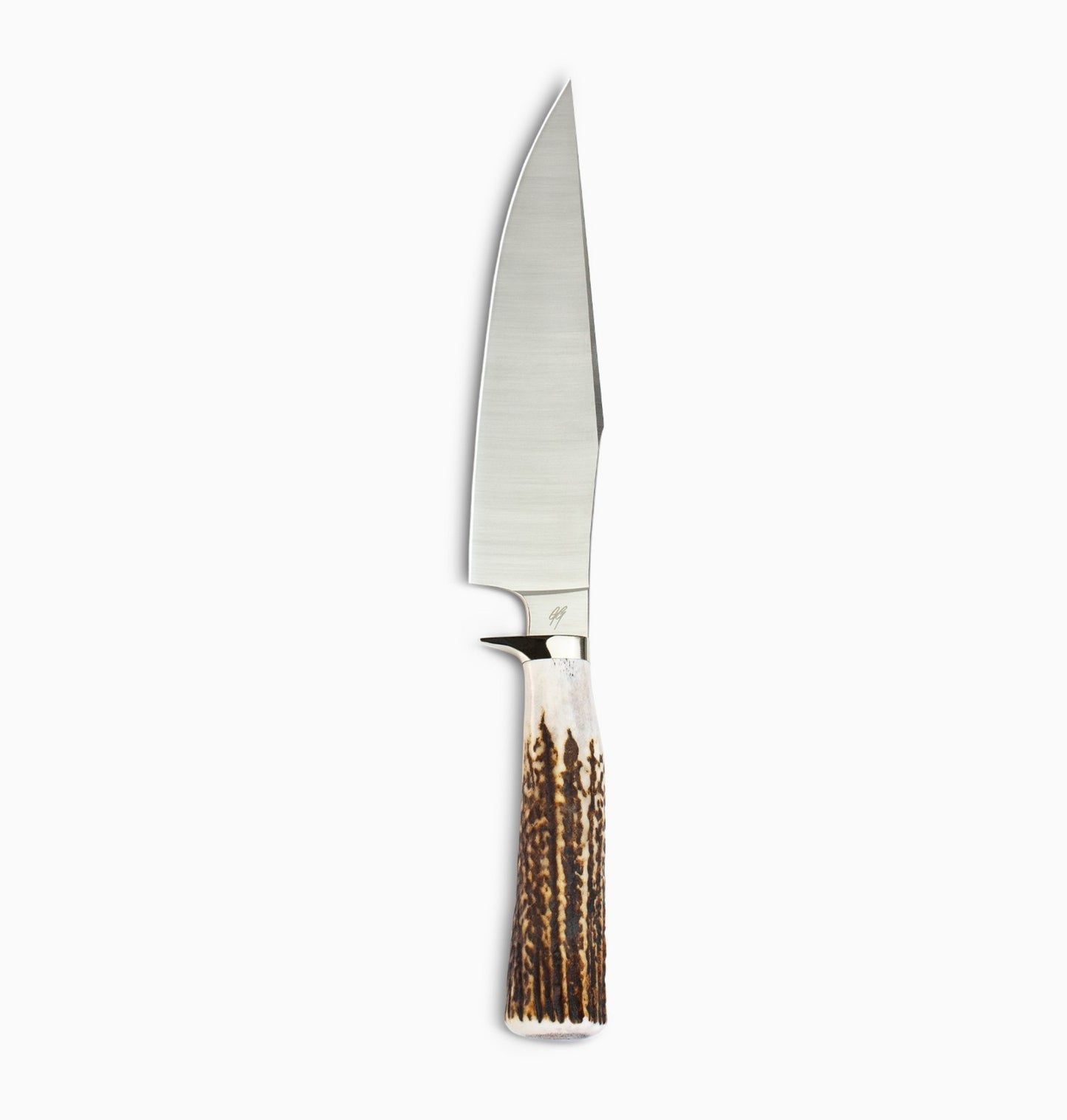
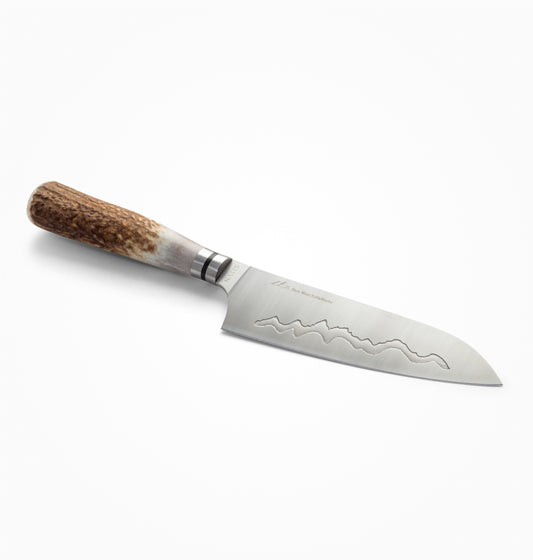
For the collectors in the room, there's also the Elk Antler Yellowstone BBQ — the same blade, dressed in a Grade A Rocky Mountain elk antler handle, naturally shed and sourced right here in high country, with a Nickel Silver bolster. Corey has called it his personal favorite knife the shop has ever made. Everything about it says the same thing the dinner said: this valley provides, if you pay attention to it.